
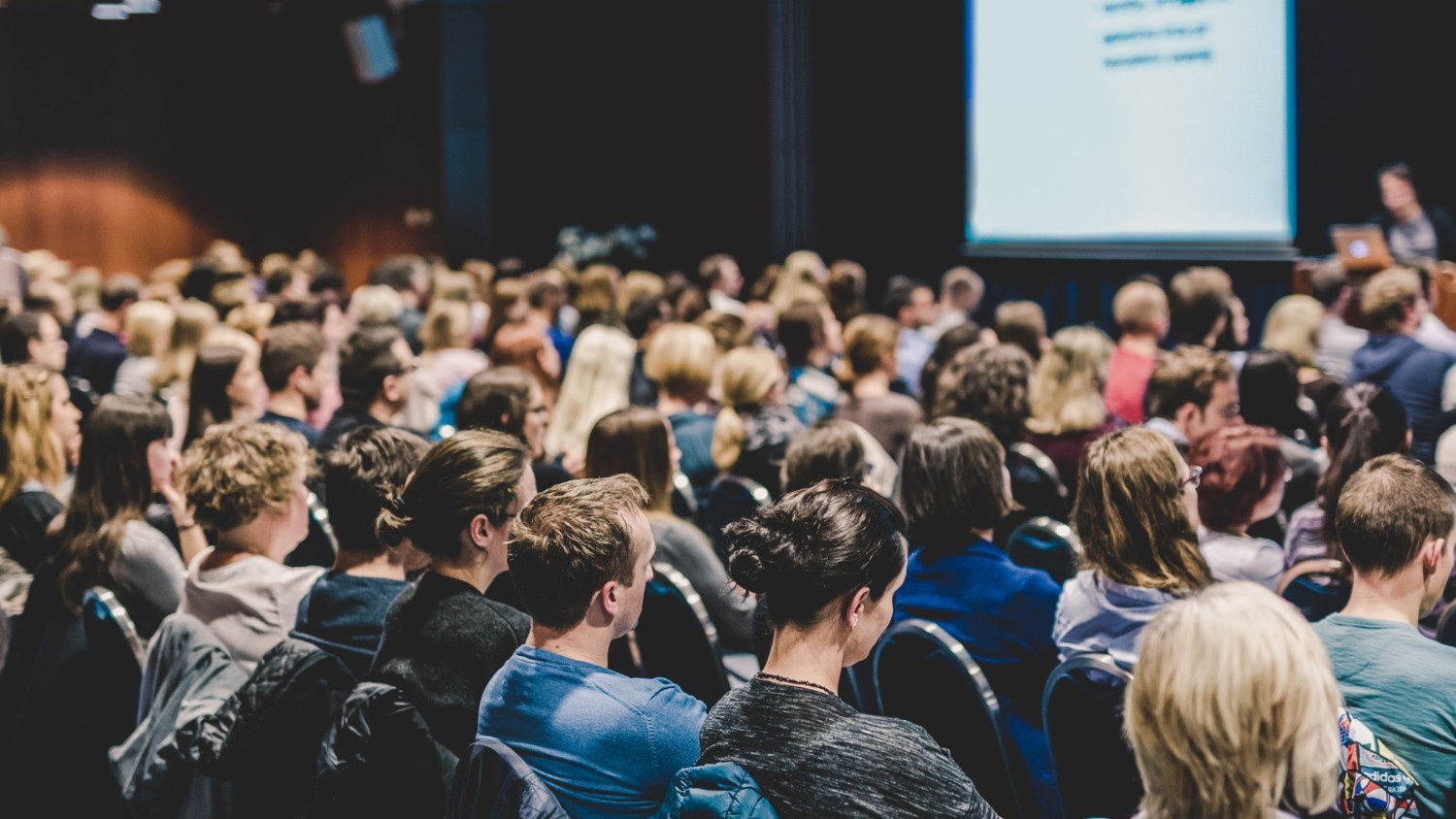
Planning a corporate event usually means juggling a lot at once. You’ve got speakers, slides, timing, venue logistics, guest experience, and about a hundred little details that all need to work together.
And then there’s the AV.
AV has a huge impact on how your event feels. When the sound is clear, the visuals are sharp, and the program moves without awkward pauses or tech hiccups, everything feels more polished.
People stay focused. Speakers feel more confident. Your event runs better.
If you’re planning a corporate meeting, product launch, kickoff, or hybrid event, local venues can be beautiful but not always simple from a production standpoint. Indoor-outdoor setups often need more planning than people expect.
Let’s take a look at why corporate event AV services in Marin County are crucial to helping your event run well.
TL;DR: What Professional AV Helps With
Here’s the quick version:
- It helps reduce technical risk with tested gear, backups, and on-site troubleshooting
- It improves audio and visual clarity so your audience can actually follow what’s happening
- It supports hybrid events with streaming, remote speaker integration, and redundancy
- It keeps the day moving with planning, cueing, transitions, and real-time support
Why AV Matters More Than People Think
Here’s the thing: even strong content can lose people if the delivery falls apart.
A presenter can be prepared. The message can be solid. The room can be full of the right people. But if the mic cuts out, the slides are hard to read, or the livestream freezes, that’s what people remember.
For corporate events, that matters. Whether you’re speaking to leadership, clients, employees, or remote attendees, the setup needs to feel reliable. Good AV helps your event feel organized, clear, and professional without pulling attention away from the message.
What Corporate Event AV Services Should Include
Every event is different, but a full-service AV setup usually covers a few key areas.
And in Marin County, local venue knowledge really helps. A team that understands the difference between a waterfront venue in Sausalito and an estate property in West Marin is going to plan a lot better from the start.
Sound systems
This covers speakers, microphones, mixing, and audio support for the room. The goal is simple: everyone should be able to hear clearly, whether they’re in the front row, the back of the room, or off to the side in a breakout area.
Lighting
Lighting does a lot more than make the room look nice. It helps presenters look better on camera, makes the stage easier to see, and gives the whole event a more intentional feel. It can also help solve tricky venue conditions, especially in dim rooms or mixed indoor-outdoor spaces.
Visual displays
Projectors, screens, TVs, LED walls, confidence monitors, and live camera feeds all fall into this category. These tools make it easier for guests to stay engaged and for presenters to stay on track.
Hybrid and streaming support
If some of your audience is remote, the setup needs to work for them too. That might include cameras, switching, platform integration, remote speaker support, and backup internet planning so online attendees are not left dealing with lag or dropped feeds.
On-site crew
This is the part people tend to underestimate. Having an experienced crew on site means someone is managing setup, testing, transitions, cueing, troubleshooting, and strike. Your internal team gets to focus on the event instead of sprinting across the room because a laptop stopped talking to the projector.
Best Practices That Make a Big Difference
Outcome Over Equipment
Before anyone starts talking about speakers or screens, get clear on what the event needs to do. Are you trying to keep a leadership meeting tight and polished? Make a product launch feel smooth and high-energy? Support both in-room and remote attendees equally? That answer should shape the AV plan.
Do a Walk-Through
A venue can look straightforward until you realize the nearest power source is nowhere near the stage, the Wi-Fi is unreliable, or the room has acoustic issues. A walk-through helps catch those things early. Especially if you’re event is going to also take place virtually.
Rehearse
Mic checks, slide transitions, video playback, remote speaker handoffs, timing cues — these are all worth testing ahead of time. A short rehearsal can prevent a lot of stress later.
Build in Backups
This is one of the biggest differences between basic AV and professional AV. Reliable event setups usually include backup mics, extra adapters, alternate playback paths, and contingency plans for internet or power issues.
How to Choose the Right AV Partner in Marin County
A gear list only tells you so much. What really matters is how the team works.
When planning your event, here’s a few smart questions to ask potential AV companies:
- Do you do venue walk-throughs before the event?
- Who is managing show flow on event day?
- What backup plans are built in?
- How do you support remote speakers or hybrid guests?
- Can the setup scale if the room or audience size changes?
- Who is actually on site during load-in, show time, and strike?
You also want to know whether they’ve handled the kind of event you’re planning. Executive presentations, internal meetings, launches, off-sites, and hybrid sessions all come with different needs.
DIY vs. professional AV
To be fair, DIY is not always the wrong call.
If you’re running a small internal meeting in a familiar space with low stakes, in-house equipment might be enough. But once the event is client-facing, executive-led, hybrid, or tightly timed, DIY tends to get risky fast.
Criteria | DIY Setup | Professional AV Services |
Equipment quality | Office or consumer gear | Commercial-grade systems sized for the venue |
Reliability | Higher chance of issues | Tested systems with backups |
Labor | Internal staff multitasking | Dedicated technicians |
Production value | Basic | More polished and consistent |
Scalability | Limited | Flexible for different room types and sizes |
Hybrid support | Often inconsistent | Managed streaming and remote integration |
What You’re Really Paying For
A lot of people think AV is mostly about renting equipment. It’s really not.
What you’re paying for is the planning behind the equipment and the people who know how to make it all work together.
That includes:
- Presenter prep
- Room tuning
- Pre-show testing
- Cueing
- Run-of-show support
- Transition management
- Troubleshooting
- Backup planning
It also means that when something unexpected happens, someone is already there handling it.
That behind-the-scenes support is usually what turns a stressful event into a smooth one.
The Right Setup Should Fit Your Event
The best AV plan is not the biggest one. It’s the one that fits your goals, audience, venue, and format.
If you’re comparing corporate event AV services in Marin County, focus on what will make the event run clearly and confidently. That might mean better sound coverage, cleaner screens, stronger hybrid support, more thoughtful lighting, or just having the right crew in place so nothing gets left to chance.
Professional AV for Professional Events
If you’re planning a meeting, launch, off-site, or hybrid event in Marin County, Techtonic Events can help you build an AV setup around your space, your audience, and your event goals.
Call (844) 483-2428 or contact the team online
Let’s build an AV plan focused on reliability, clarity, and polished execution.
FAQ: Corporate event AV in Marin County
Why is professional AV important for corporate events?
Because it helps your event run clearly and smoothly. People can hear the speakers, see the content, and stay focused without getting distracted by technical issues.
What types of corporate events usually need AV support?
Executive meetings, leadership summits, internal kickoffs, shareholder updates, product launches, company off-sites, training sessions, awards programs, and hybrid presentations are all common examples.
What does hybrid event support usually include?
Usually cameras, audio feeds, streaming platform integration, remote speaker support, presentation switching, and backup internet planning so remote attendees can stay connected.
Can we just use in-house equipment?
Sometimes, yes — especially for a small internal meeting. But for larger, more visible, or hybrid events, in-house gear often is not enough on its own.
What makes Techtonic Events different?
Techtonic combines AV equipment with planning, on-site support, and hands-on execution. That means clients get more than a gear drop. They get a team that helps the event run the way it’s supposed to.
Owner
Leo James is the Founder and Owner of Techtonic Events, a full-service live and virtual event production company based in Sonoma County, California. With more than two decades of experience in audiovisual design, staging, and production management, Leo has built Techtonic Events into a recognized leader in experiential events, brand activations, and corporate productions.
His expertise spans high-end conferences, festivals, nonprofit galas, and hybrid digital events, where he blends creativity, technology, and storytelling to deliver memorable experiences. Known for his calm professionalism and technical mastery, Leo leads a talented team that brings complex productions to life — from lighting and sound design to full-scale show execution.
Leo’s vision for Techtonic is rooted in collaboration, innovation, and exceeding client expectations through seamless production and genuine partnership.